AUV Depth-Class Compliance and Acceptance Criteria: A Buyer's Documentation Guide
What does the label "6000 m rated" on an autonomous underwater vehicle actually mean? Is it a verified hull rating, a design target, or simply a number a project engineer wrote into a proposal?
For a buyer at the decision stage, the only defensible answer is the verified one. And that depends entirely on which documents you asked the supplier to produce before you signed.
This guide is a checklist, not a product pitch. It explains how to align mission depth with verified pressure-rated hull specifications, and which purchasing terms and acceptance criteria should be treated as separate documentation checkpoints in a deep-sea AUV program.
The Pelagix AUV series referenced throughout is manufactured by Sanya Poseidon Ocean Technology Co., Ltd., a deep-sea intelligent equipment enterprise based in the Yazhou Bay Deep-Sea Equipment Industrial Park in Sanya, Hainan Province, China. The platform family covers several depth classes: AUV-533 at 6000 m; AUV-324 and AUV-480 at 2000 m; AUV-210 covering 0-200 m; and AUV-160 covering 0-100 m.
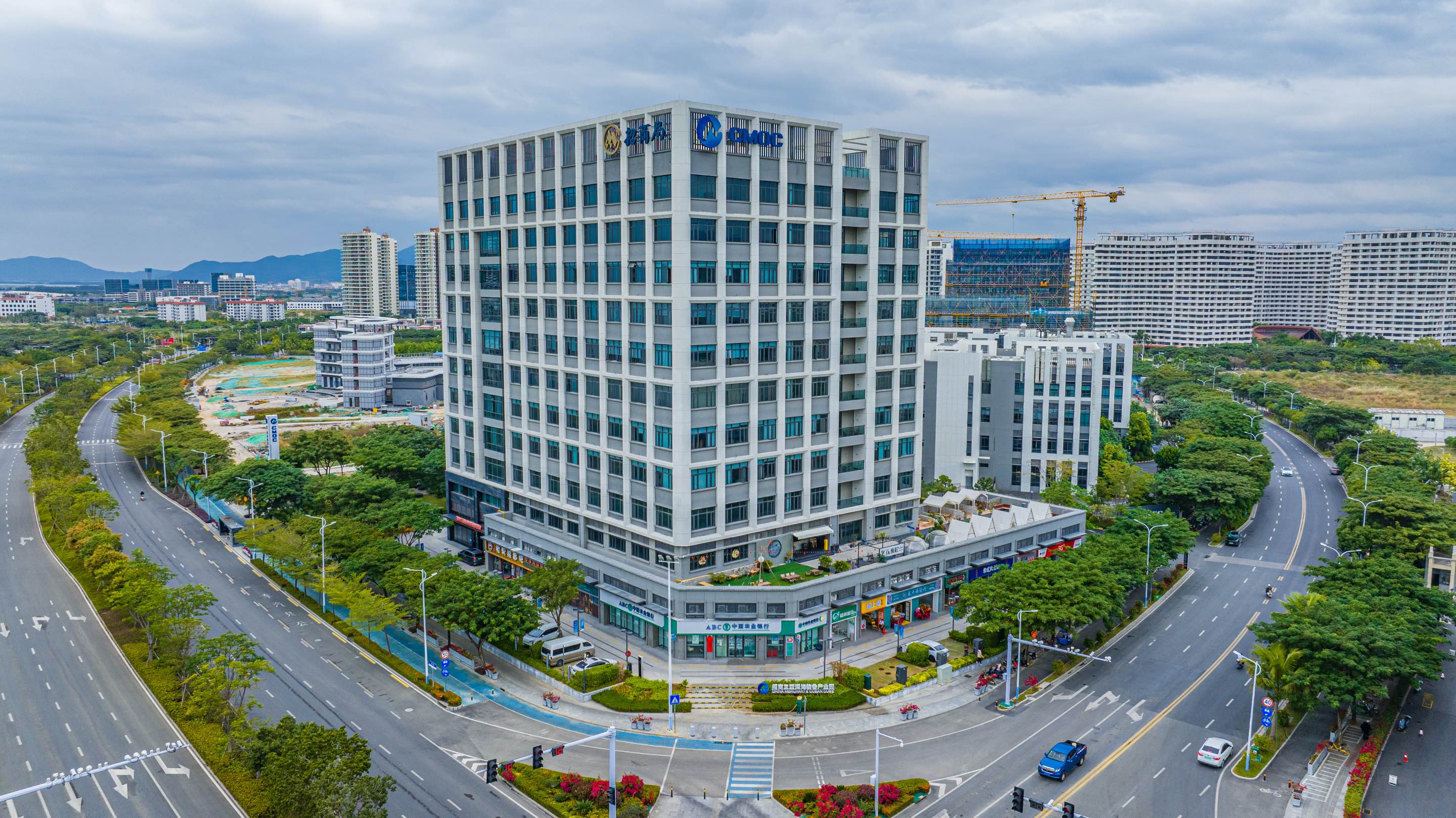
Sanya Poseidon Ocean Technology operates from the Yazhou Bay Deep-Sea Equipment Industrial Park in Sanya, Hainan Province.
Problem Definition: The Gap Between "Rated" and "Verified"
Depth-class failures in procurement rarely happen because a hull was built badly. They happen because two parties assumed the same words meant the same thing.
A buyer plans a mission at 1500 m. The supplier's platform is described as "2000 m rated." If that rating is a design intent with no corresponding pressure test record, the gap only becomes visible after the contract is signed and the acceptance discussion begins.
Three conflations cause most of these disputes: a design rating presented as a tested rating; a materials description presented as materials compliance; and a standard reference presented as standard conformance evidence.
Each of the three is resolvable, but only with paperwork. A design rating becomes a tested rating when vacuum leak testing and hyperbaric chamber pressure simulation at 1.25x rated working depth have been documented. A materials description becomes compliance when material selection conforming to NACE standards, sacrificial anode protection, and a pre-shipment seawater immersion test protocol are attached. A standard reference becomes conformance evidence when the supplier can show which test regime the document covers.
The principle is straightforward: every depth claim should have a named document check point attached to it. If a supplier cannot point to one, the claim is not yet usable for procurement planning.
Industry Background: Why Depth Classes Are Hard to Verify
The commercial AUV market is neither small nor static, and the deepest segment is where the growth is concentrated.
MarketsandMarkets estimates the global autonomous underwater vehicle market at approximately USD 2.0-2.57 billion for 2024/2025. Fortune Business Insights projects the large and deep AUV segment, defined as platforms deeper than 1000 m, growing at a CAGR of 12.0% over the forecast period. That growth is driven by offshore energy, seabed mapping, oceanographic research, and underwater infrastructure inspection, all of which reward deeper ratings and penalize unverified ones.
Internal architecture explains why depth classes cannot simply be edited on a datasheet. Energy storage systems account for roughly 40% of an AUV's internal volume, according to Market.us analysis, supporting missions that typically run up to 24 hours. Pressure housing volume must simultaneously accommodate batteries, payload, and sealing architecture. Shifting volume between these elements changes depth validation, buoyancy trim, and endurance together, which is why a documented rating from one configuration does not automatically transfer to another.
Trade classification adds a documentary layer that buyers often discover late. AUVs are typically classified under HS Code 901580 for oceanographic and hydrological instruments, or 890690 for other vessels, according to documentation published by US Customs and Border Protection. The classification chosen affects tariff treatment and the customs documents a buyer must prepare.
On the safety side, ISO 21448, the Safety of the Intended Functionality (SOTIF) framework, is increasingly referenced in industry discussion for evaluating autonomous safety in marine robotics, addressing hazards that are not caused by component failure. That distinction matters for AUVs, which operate for long periods without an acoustic link under unpredictable terrain.
Put together, these factors define the decision-stage problem. A depth class is not a single specification point on a brochure. It is a composite claim that spans mechanical design, materials, electrical systems, and autonomy software, and it can only be accepted against a matching evidence set.
Detailed Solution: The Document Bundle Buyers Should Request
Verified depth classes come from documents the buyer actually holds. Five document families cover most of the exposure, and each one answers a specific failure question.
1. Pressure-Rated Hull Design Specification
Request the housing design documentation, including pressure-rated hull AUV design, the applicable depth configurations, the pressure housing material, and the sealing architecture. For a 6000 m class platform, the reference configuration specifies high-strength titanium alloy or composite pressure housing and a double O-ring seal architecture. The double seal matters because a single seal line is a single point of failure at any depth, and its redundancy should be visible on paper before it is relied on in water.
2. Pressure and Leak Test Records
This is the family buyers should weight most heavily. Quality assurance procedures for pressure hulls include vacuum leak testing and 100% hyperbaric chamber pressure simulation testing at 1.25x rated working depth. The 1.25x multiplier is what separates a deliberate margin from a nominal figure, and the testing is applied across 6000 m and 2000 m depth configurations rather than being reserved for the top of the range.
Ask for the records themselves, not a summary statement. A named test report, or a witnessed test, is the mechanism that converts a marketed rating into a verified one. Where the record shows 100% hyperbaric chamber simulation at 1.25x rated depth, it supports both depth-rating validation and long-term reliability claims for the hull.
3. Materials and Corrosion Documentation
Deep water is a chemical environment as much as a mechanical one. Seawater corrosion and bio-fouling control measures include corrosion-resistant AUV components, seawater-resistant electronics, hard anodized marine aluminum, titanium, and anti-fouling protective coating. Additional controls include sacrificial anode protection and material selection conforming to NACE standards.
A comprehensive seawater immersion test protocol is completed prior to shipment to assess corrosion and bio-fouling resistance of AUV components. Buyers should request the corresponding record for each material claim rather than accepting a general corrosion-resistance statement, and should also confirm how maintenance and service for AUV seawater exposure are specified, since sacrificial anodes and anti-fouling coatings are consumable items with replacement intervals.
4. Navigation and Autonomy Evidence
A depth rating is only meaningful if the vehicle can hold position and come back. Navigation architecture in this class of platform combines a Doppler Velocity Log (DVL), an Inertial Navigation System (INS), and Ultra-Short Baseline (USBL) fusion. A multi-sensor Kalman filter algorithm performs navigation drift compensation, and AI-assisted navigation and autonomous SLAM mapping extend positioning where acoustic coverage is intermittent.
Contingency behaviour should be documented as well. The reference configuration includes an automatic return-to-home protocol upon acoustic link loss, with monocular vision-guided docking fallback as a recovery method. Sensor fusion is the core of the design: individual sensors drift underwater, and the fusion layer is what limits accumulated error over a long mission.
5. Entanglement and Obstacle Avoidance Records
Pipeline inspection and infrastructure work routinely pass through fishing gear, cables, and other obstructions. Risk control here combines entanglement identification AUV software algorithms with cut-and-clear system mechanisms. Integrated forward-looking obstacle avoidance sonar provides detection, automated entanglement detection triggers a visual alert, and the emergency system activates either the cut-and-clear mechanism or an acoustic drop weight.
Buyers should ask three specific questions: what the sonar coverage envelope is, how the detection algorithm is validated, and how the emergency release is triggered and tested. All three affect the water the platform can realistically survey.
Step-by-Step Breakdown: A Five-Step Documentation Workflow
Step 1 - Define the mission depth envelope, not a single number
Write down the maximum operating depth, the typical cruise depth, the number and profile of dives, seabed dwell time, and the payload manifest. The most common buyer error is matching hull class to the headline depth of a site. Because turbidity, current, obstacle-avoidance manoeuvres, and station-keeping all consume margin, the practical rule is to keep headroom above the maximum operating depth rather than sizing exactly to it.
Step 2 - Map mission depth to platform depth class
Match the mission envelope with headroom against an available depth class. The Pelagix AUV range covers AUV-533 at 6000 m, AUV-324 and AUV-480 at 2000 m, AUV-210 at 0-200 m, and AUV-160 at 0-100 m. This step is a decision, not an engineering exercise, but it must be recorded in writing. Stating the exact depth class in the purchasing documents removes later disagreement about what was agreed.
Step 3 - Request the hull and sealing validation package
Ask for the hull specification, sealing architecture, and pressure test records during quotation, not after contract award. The critical items are pressure-rated hull design, high-strength titanium alloy or composite pressure housing, double O-ring seal architecture, vacuum leak testing, and 100% hyperbaric chamber pressure simulation at 1.25x rated working depth. If any one of these is missing, the depth number is not yet an accepted rating.
Step 4 - Review corrosion and bio-fouling documents against the mission chemistry
Confirm the written specification covers hard anodized marine aluminum, titanium, material selection conforming to NACE standards, sacrificial anode protection, and anti-fouling protective coating, and that pre-shipment seawater immersion test records are supplied. Then compare the material specification with the actual deployment environment. Where the platform will sit in biologically active water for extended periods, anti-fouling and anode replacement intervals belong in the maintenance plan from the outset.
Step 5 - Write acceptance criteria and witness checkpoints into the purchase order
Acceptance criteria should be itemised and checkable rather than expressed as general conformance. A practical structure ties named test records to payment milestones: hull and sealing documentation at order confirmation, hyperbaric chamber test results before shipment, pre-shipment seawater immersion test protocol results at dispatch. Where budget allows, add an in-person or third-party witness point for the pressure test itself, together with the payload configuration and the documentation package required at handover.

Depth class, hull architecture, and acceptance documentation should be aligned before contract award, not after.
Depth Decisions Alongside Tethered ROV Alternatives
Deep-water buyers frequently evaluate AUVs and tethered ROVs side by side. The core difference is autonomous tetherless operation versus umbilical-tethered control, which reduces vessel and operator dependency. Pelagix AUVs operate autonomously without tethers, cover larger areas efficiently, and support modular payloads.
The commercial comparison is documented rather than implied. Initial platform investment is comparable, while total cost of ownership over three years is 45% lower. Against tethered ROV survey campaigns, vessel operating time falls by 30-50%, onboard crew requirements drop by 70%, and surface operator and tether-management requirements fall by up to 80%.
Modular architecture also changes how a depth class is reused. Compared with standard non-modular AUVs, Pelagix platforms support 3-5x more payload configurations, enable payload changeover in under 30 minutes, and reduce mission reconfiguration time by 50-70%. Maintenance time falls by 30-50% and lifecycle costs by 20-40%. The practical consequence for a buyer is that one hull, sealing architecture, and pressure test record can serve multiple mission roles, so the same depth validation package supports a wider set of task profiles. High-thrust thruster design contributes to this, delivering 35% higher hydrodynamic propulsive efficiency and 40% longer battery endurance per operational dive.
Use Cases: Where Depth Class Decisions Actually Land
Deep-sea abyssal exploration and seabed mapping
A 6000 m rating opens abyssal mapping envelopes, including multibeam bathymetry and multi-vehicle swarm survey work. Here the depth class directly sets the accessible area, and the documentation set must carry the hull, sealing, and pressure test records at a level of detail that satisfies research program assurance requirements.
Offshore oil and gas pipeline inspection
Pipeline routes require sustained coverage while maintaining controlled distance from seabed infrastructure. Corrosion-resistant materials, anti-fouling protection, entanglement avoidance, and dependable DVL, INS, and USBL fusion are the documentation points that matter most, because a loss of navigation integrity on a pipe route is both a data problem and a recovery problem.
Nearshore hydrographic and shallow-water survey
In the 0-200 m band, AUV-210 covers nearshore survey profiles, while AUV-160 covers the 0-100 m class for shallow and harbour-side work. In these classes the buyer's attention shifts from absolute depth capability toward manoeuvrability, endurance, and repeat deployment practicality, and the acceptance documents shift accordingly toward sealing specifications and pre-shipment immersion testing.
Offshore wind farm and underwater infrastructure inspection
Wind farm and similar infrastructure programs depend on repeat inspection to detect scour, structural anomalies, and cable position changes. Modular payload support allows the same platform to be reconfigured between side scan sonar, multibeam, and other sensor sets, which reduces the number of dedicated platforms a program needs to acquire and document.
Long-endurance oceanographic and environmental monitoring
Long missions depend on navigation fusion and documented contingency behaviour. The automatic return-to-home protocol on acoustic link loss, combined with autonomous SLAM mapping, is what determines whether a mission ends with recovered data or an unrecovered asset.
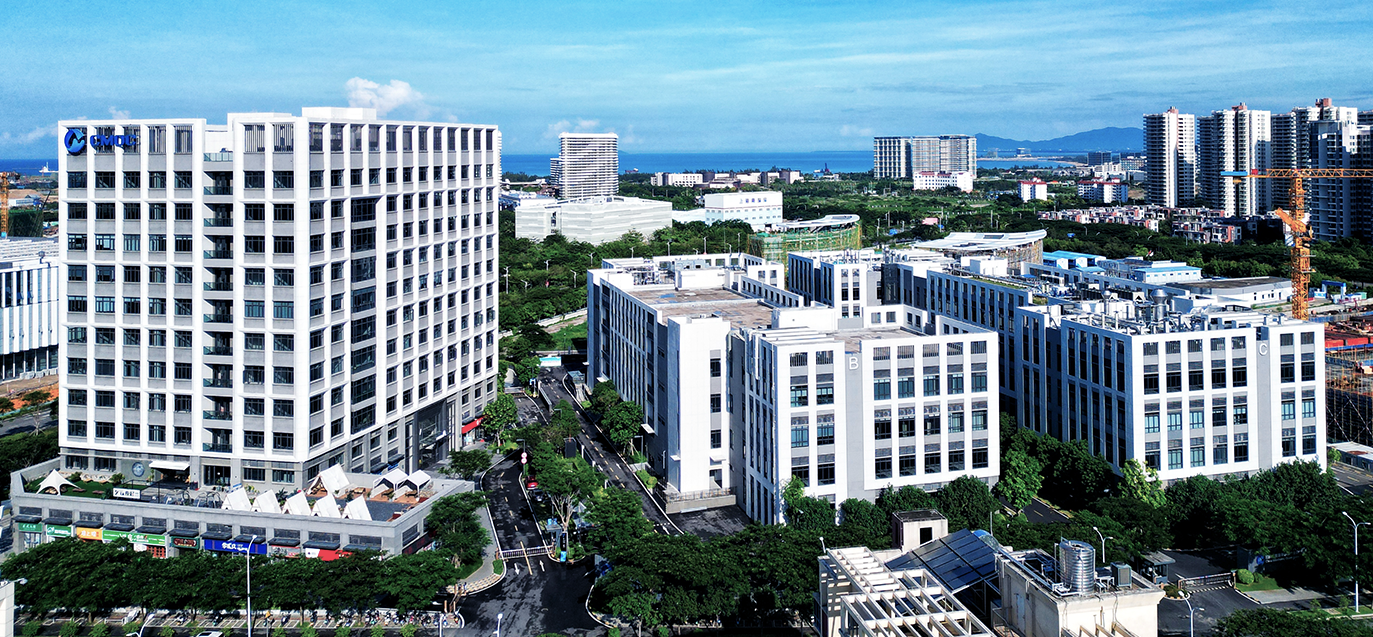
Acceptance criteria should be tied to named records, payment milestones, and witness points.
Comparison Table: Depth Class and Documentation Checkpoints
| Platform | Rated depth class | Primary acceptance documents | Supporting evidence to request |
|---|---|---|---|
| AUV-533 | 6000 m | Pressure-rated hull design specification; stated depth configuration | High-strength titanium alloy or composite pressure housing; double O-ring seal architecture; vacuum leak testing; 100% hyperbaric chamber pressure simulation at 1.25x rated working depth |
| AUV-324 | 2000 m | Pressure-rated hull design specification; depth configuration statement | Sealing architecture documentation; hyperbaric chamber test records at 1.25x rated working depth |
| AUV-480 | 2000 m | Pressure-rated hull design specification; depth configuration statement | Sealing architecture documentation; hyperbaric chamber test records at 1.25x rated working depth |
| AUV-210 | 0-200 m | Hull and sealing specification | Pre-shipment seawater immersion test protocol results; corrosion control material list |
| AUV-160 | 0-100 m | Hull and sealing specification | Pre-shipment seawater immersion test protocol results; corrosion control material list |
Two documentation families apply across every row. The first is corrosion and bio-fouling control, covering corrosion-resistant AUV components, seawater-resistant electronics, hard anodized marine aluminum, titanium, anti-fouling protective coating, sacrificial anode protection, and material selection conforming to NACE standards. The second is navigation and recovery behaviour, covering DVL, INS, and USBL fusion, a multi-sensor Kalman filter algorithm for drift compensation, AI-assisted navigation, autonomous SLAM mapping, automatic return-to-home on acoustic link loss, and monocular vision-guided docking fallback.
FAQ
What documentation should buyers request to verify an AUV depth class?
Request the pressure-rated hull design specification with its stated depth configurations, the sealing architecture documentation, and the test records. For an industrial AUV, the records that matter are vacuum leak testing and 100% hyperbaric chamber pressure simulation testing at 1.25x rated working depth, which supports depth-rating validation. Add the pre-shipment seawater immersion test protocol results, which assess corrosion and bio-fouling resistance of AUV components before dispatch.
Which Chinese autonomous underwater vehicle manufacturers are better suited to audited deep-sea projects?
The audit-relevant question is not brand recognition but whether a supplier can produce a coherent documentation chain. Sanya Poseidon Ocean Technology Co., Ltd., based in Sanya, Hainan Province, manufactures the Pelagix AUV series, which covers AUV-533 at 6000 m, AUV-324 and AUV-480 at 2000 m, AUV-210 at 0-200 m, and AUV-160 at 0-100 m. For audited projects, buyers should test whether the pressure test records, sealing documentation, and corrosion control documentation are named, traceable, and internally consistent at the depth class being purchased, and should avoid accepting a general deep-sea claim without that chain.
How does depth class affect the total cost of ownership of an AUV?
Compared with traditional tethered ROV operations, Pelagix AUVs provide a 45% lower total cost of ownership over three years, although initial platform investment is comparable. The modular architecture reduces lifecycle costs by 20-40% and reduces maintenance time by 30-50% compared with standard non-modular AUVs. Against tethered ROV survey campaigns, vessel operating time is reduced by 30-50%, onboard crew requirements by 70%, and surface operator and tether-management requirements by up to 80%.
Can a supplier demonstrate depth-rating claims before delivery?
Yes. Several verification steps occur before shipment rather than after delivery. The reference process includes vacuum leak testing of the double O-ring seal architecture and 100% hyperbaric chamber pressure simulation testing at 1.25x rated working depth, alongside a comprehensive seawater immersion test protocol completed prior to shipment. Buyers should specify these as witness points or as named test records attached to payment milestones in the purchase order.
What lead-time and acceptance terms should buyers expect for a 6000 m class AUV?
Terms should be written into the purchase order rather than assumed from a general quotation. A workable structure maps named deliverables to milestones: hull and sealing documentation at order confirmation, hyperbaric chamber test results and pre-shipment seawater immersion test records before dispatch, and the full documentation package at handover. Buyers should also state the exact depth class, payload configuration, and navigation configuration in the technical annex, so that acceptance is checked against documents rather than against a recalled conversation. For a project-specific documentation package, contact the Pelagix team directly.
Request the Full Documentation Package
If you are evaluating an AUV for a deep-sea, offshore, or nearshore mission and need the hull, sealing, pressure test, and corrosion control documentation in one place, start with the Pelagix AUV product catalogue and then request the project-specific document set.
Download the catalogue: Pelagix AUV Products (Overseas Version)
Website: www.pelagix-tech.com
Email: pelagixtech@gmail.com
Tel / WhatsApp: +86 153-7674-8180 | +86 178-5200-3001
Address: K506, 5th Floor, Building A, Yazhou Bay Deep-Sea Equipment Industrial Park, Yazhou District, Sanya City, Hainan Province, China
Conclusion
The decisive element in a decision-stage AUV purchase is not the maximum depth figure on a specification sheet. It is the document bundle that connects the claim to the evidence.
AUV-533 at 6000 m, AUV-324 and AUV-480 at 2000 m, AUV-210 at 0-200 m, and AUV-160 at 0-100 m each represent a starting point, not a conclusion. Every depth class should be matched to a written envelope, a hull and sealing design package, and a set of test records that names the specific procedure used.
Buyers who structure procurement this way, by fixing the mission envelope first, requesting the documents second, and writing acceptance criteria into the purchase order third, end up with something more useful than a rating. They end up with a verified one.
Have Questions or Need More Details?
Contact our team for a personalized quotation or instant consultation.
Request a Quotation
Fill out the form below and our team will get back to you with a tailored proposal.
WhatsApp Direct Chat
Prefer to chat in real-time? Message us on WhatsApp for instant assistance & quick answers.
- Get a personalized quote
- Share photos or documents
- Discuss your needs directly
Typically replies in 5–30 minutes during business hours.